
Osteoarthritis
What Is Osteoarthritis
Osteoarthritis is a chronic, degenerative joint condition in which the protective cartilage that cushions the ends of bones gradually wears down. As cartilage thins, joints lose their smooth, gliding surface and begin to function with increased friction, leading to stiffness, swelling, pain, and reduced mobility. Osteoarthritis primarily affects weight-bearing joints, such as the knees, hips, and spine, but can also affect the hands, feet, and shoulders. It is often described as “wear-and-tear arthritis,” but modern research shows it is more complex, involving biomechanical stress, inflammation, cellular changes within the joint, and the gradual deterioration of surrounding tissues. Because cartilage does not regenerate easily, the condition tends to worsen gradually, affecting movement and quality of life.
What Are the Causes
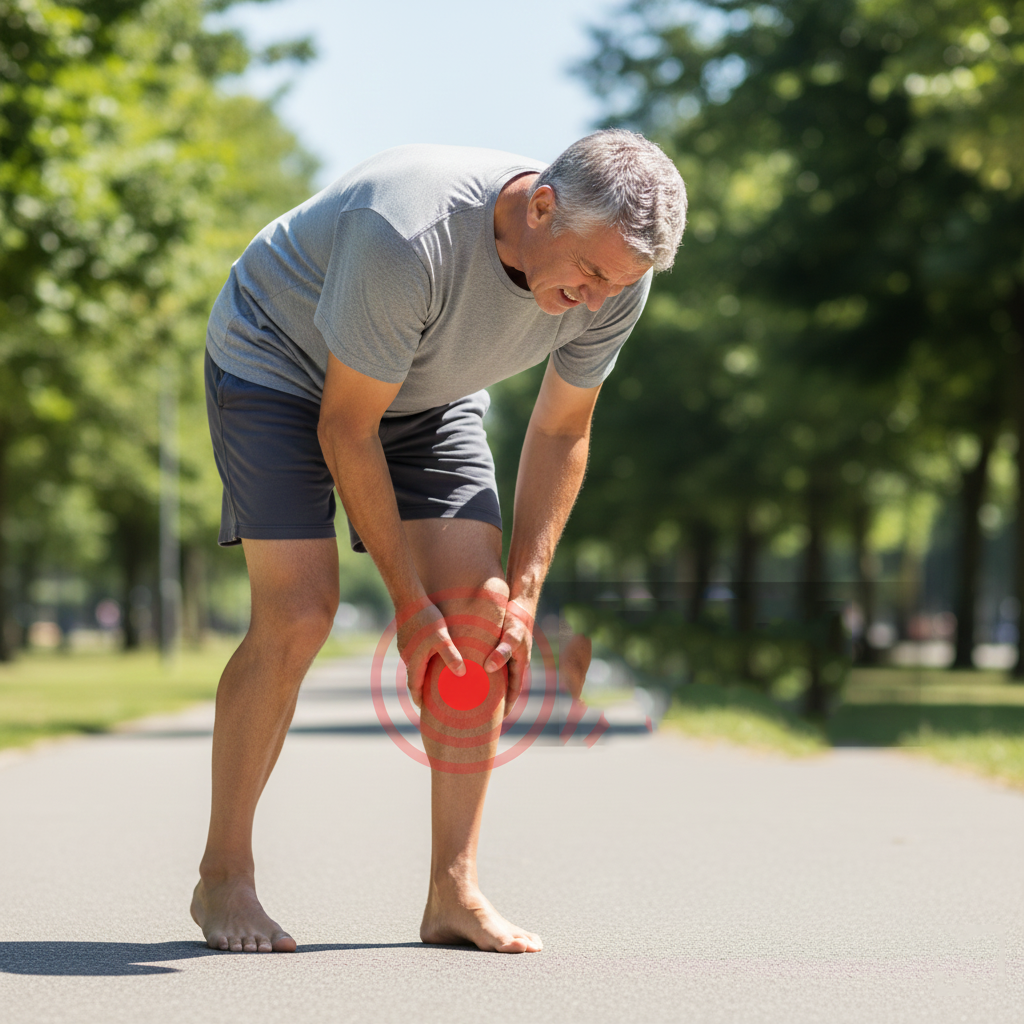
Osteoarthritis develops through a combination of mechanical strain, age-related degeneration, genetics, and biochemical processes within the joint. Over the years, repeated stress from everyday movement gradually wears down cartilage. Injuries such as fractures, ligament tears, or meniscal damage significantly increase the risk by altering joint alignment and shifting weight distribution. Excess body weight places additional pressure on joints—particularly the knees and hips—accelerating cartilage breakdown. Genetics plays an important role, as individuals with a family history of osteoarthritis tend to develop it earlier or experience more rapid progression. Hormonal changes, particularly in postmenopausal women, can affect cartilage metabolism and increase susceptibility. Chronic inflammation, metabolic disorders, poor joint alignment, and occupations requiring repetitive motion all contribute to the gradual deterioration that characterizes osteoarthritis.
Symptoms
Symptoms of osteoarthritis develop slowly and intensify as the condition progresses. Many people first notice stiffness in the morning or after periods of inactivity, which gradually loosens with movement. Pain is common during activity but may also appear at rest as cartilage continues to wear down. Swelling may occur due to joint inflammation, and some individuals may experience warmth or tenderness when pressure is applied. As cartilage erodes further, joints may produce clicking, grinding, or popping sounds during movement. Range of motion becomes increasingly limited, making everyday tasks such as climbing stairs, kneeling, or lifting objects more difficult. For example, a person might find it painful to get out of a chair or climb stairs. In advanced cases, deformities such as bony enlargements or joint instability may develop, further impairing function and mobility.
How Many People Are Affected
Osteoarthritis is among the most common chronic joint conditions in the world, affecting hundreds of millions of people. According to global health estimates, more than 528 million individuals live with osteoarthritis, and its prevalence continues to rise due to aging populations and increasing obesity rates. In the United States alone, more than 32 million adults have been diagnosed, though the actual number is likely higher because many individuals manage symptoms without formal evaluation. Osteoarthritis becomes increasingly common with age; the majority of people over 50 show some degree of joint degeneration on imaging. It affects women more frequently than men, particularly after menopause. Because of its widespread impact, osteoarthritis remains one of the leading causes of disability worldwide.
Complications
Without proper management, osteoarthritis can lead to progressive joint deterioration, limiting mobility and daily function. Pain and stiffness may intensify over time, interfering with walking, standing, bending, and other routine activities. Reduced range of motion can lead to muscle weakness, balance issues, and increased fall risk. Chronic inflammation and structural damage may cause joint instability or deformity. In severe cases, bone spurs or fragments may form within the joint, worsening pain and mechanical obstruction. As mobility declines, many individuals experience weight gain, reduced cardiovascular health, and decreased overall fitness. Emotional complications are also common; chronic pain can lead to frustration, anxiety, sleep disturbances, and a reduced quality of life. Early recognition and treatment are crucial to prevent long-term disability, so consulting a healthcare provider at the first signs can make a significant difference.
Diagnosis
Diagnosis begins with a thorough evaluation of symptoms, medical history, and physical examination. A clinician assesses joint tenderness, swelling, range of motion, stability, and alignment. Attention is given to daily activity limitations and the pattern of pain. Imaging studies play an important role in confirming the diagnosis. X-rays may reveal joint space narrowing, bony spurs, or changes in bone structure typical of osteoarthritis. MRI scans can provide more detailed information about cartilage loss, ligament involvement, or joint inflammation. Blood tests are usually standard in osteoarthritis, but may be performed to rule out autoimmune or inflammatory joint diseases such as rheumatoid arthritis. In some cases, joint fluid analysis helps differentiate osteoarthritis from infection or gout. A combination of clinical evaluation and imaging provides the most accurate understanding of joint health.
Treatment Options
Treatment aims to relieve symptoms, improve joint function, and slow progression. Lifestyle adjustments, such as weight management and regular low-impact exercise, help reduce joint stress and maintain mobility. Strengthening the muscles around affected joints provides better support and stability. Physical therapy helps restore movement patterns, improve alignment, and reduce stiffness. Heat and cold therapies can help manage pain and inflammation. Over-the-counter medications such as acetaminophen or non-steroidal anti-inflammatory drugs may provide relief, while more potent medications may be prescribed when necessary. Assistive devices, including braces, orthotics, or supportive footwear, can reduce mechanical strain.
In many instances, procedural interventions or regenerative options may help support function and repair, such as PRP, Exosomes, Stem Cells, LLLT, Peptides, Microneedling, Diagnostic Ultrasound, and Shockwave.
More advanced cases may benefit from medical interventions such as corticosteroid injections, hyaluronic acid injections, or joint-preserving procedures, depending on the joint involved. When pain becomes severe and function is significantly impaired, surgical options such as joint replacement may be considered. Modern orthopedic care emphasizes early management to preserve joint integrity and reduce long-term disability. Treatment plans are typically personalized to match the severity of the condition and the patient’s lifestyle needs.