
Acne
What is Acne
Acne is a chronic inflammatory condition of the skin that occurs when the pores become blocked with excess oil, dead skin cells, and bacteria. It can develop anywhere on the body where oil glands are present, but it most commonly affects the face, chest, shoulders, and back. Acne presents in many forms, including small white or flesh-colored bumps, dark open comedones, inflamed red lesions, pus-filled spots, and deeper nodules or cysts that can be painful. Although acne is often associated with adolescence, it can occur at any age, from the early teenage years to adulthood. Because acne directly affects hair follicles and sebaceous glands, it disrupts the skin’s natural turnover process, leading to cycles of inflammation, congestion, and breakouts that vary widely in severity.
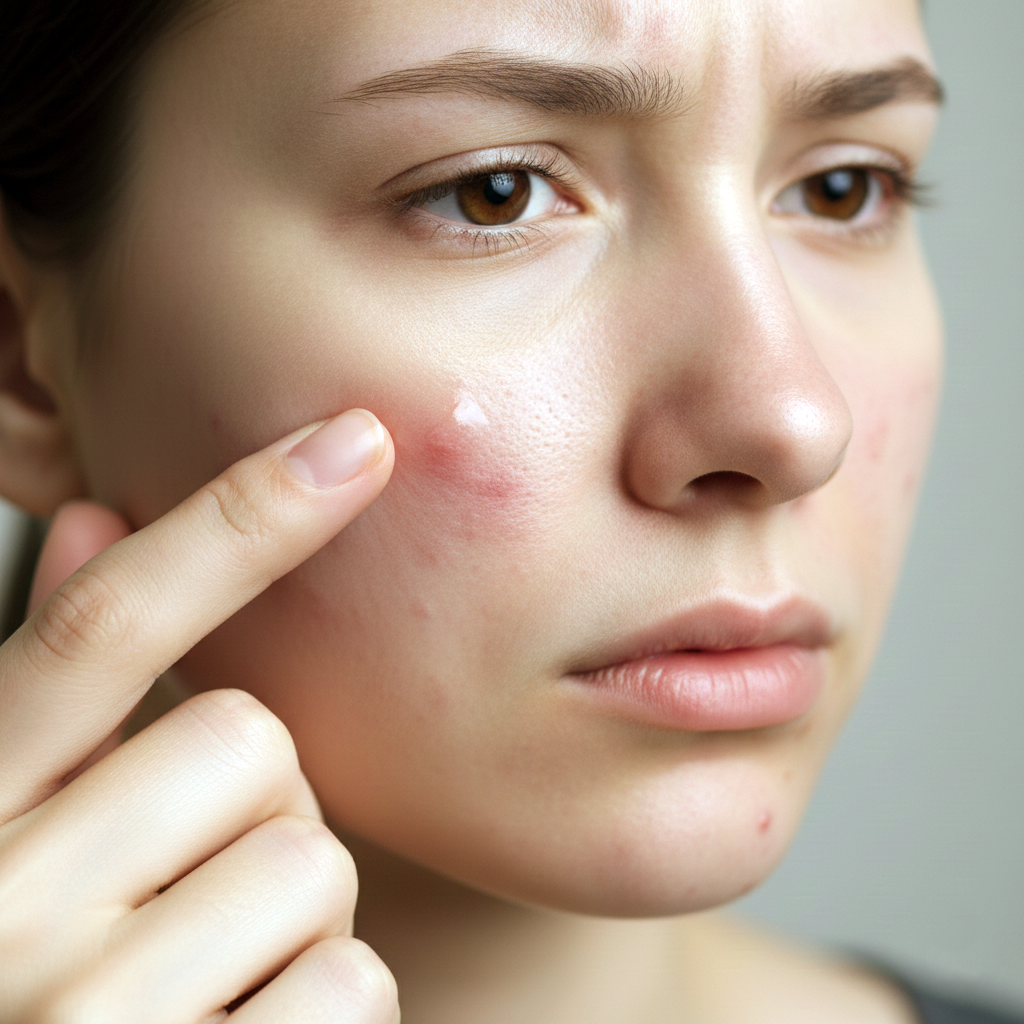
What Are the Causes
Acne develops from a combination of biological, hormonal, genetic, and environmental factors that influence the skin’s behavior. One of the primary contributors is sebum overproduction, often triggered by hormonal fluctuations. When oil production rises, the pores are more likely to become obstructed, especially if dead skin cells are not shed efficiently. These blocked follicles create a trapped environment that allows bacteria naturally found on the skin, particularly Cutibacterium acnes, to multiply. As the immune system responds to bacterial activity, inflammation develops, leading to red, swollen, or painful lesions. Genetics also plays a significant role, as individuals with a family history of acne are more likely to experience similar patterns. Stress, dietary choices, high-glycemic foods, excessive dairy intake, certain medications, harsh skincare products, and environmental factors such as humidity or friction from helmets and masks can all worsen acne or trigger flare-ups. Acne is not caused by poor hygiene but by deeper biological processes that affect the follicles and oil glands.
Symptoms
Acne symptoms vary depending on the type and severity of the condition. Many people experience gradual congestion that begins as clogged pores and small bumps. Others notice inflamed red spots, tender lesions, or sudden breakouts. In more severe cases, deep nodules or cysts may form beneath the skin, leading to significant discomfort and a high risk of scarring. Acne can cause skin sensitivity, persistent oiliness, or areas of dryness triggered by inflammation. After acne lesions heal, some individuals develop dark marks known as post-inflammatory hyperpigmentation, especially those with medium- to dark-toned skin. The emotional effects are equally significant; people with acne often feel self-conscious or frustrated by unpredictable flare-ups, mainly when breakouts occur on obvious areas such as the face.
How Many People Are Affected
Acne is one of the most widespread skin conditions worldwide. An estimated eighty-five percent of people experience acne at some point between adolescence and early adulthood. In the United States alone, approximately fifty million individuals are affected every year. Although it is most common during teenage years, adult acne is rising in prevalence, particularly among women in their twenties, thirties, and even forties, mainly due to hormonal changes and lifestyle factors. Worldwide, acne is among the top 10 most prevalent diseases, affecting people of all ages, ethnicities, and backgrounds. Its high prevalence underscores the importance of understanding the condition and recognizing that acne is far more than a cosmetic issue—it is a legitimate medical concern that impacts millions daily.
Complications
Untreated or severe acne can lead to several complications that affect both physical and emotional well-being. One of the most significant complications is permanent scarring, which can occur when deep inflammatory lesions damage the underlying tissue. Scarring may appear as depressions, pits, raised areas, or an uneven skin texture. Another common complication is post-inflammatory hyperpigmentation, where dark marks remain long after active acne has resolved. These marks can take months or years to fade. Persistent inflammation may compromise the skin barrier, resulting in dryness, irritation, or chronic sensitivity. On an emotional level, acne can significantly affect confidence, self-esteem, and mental health. Many individuals experience frustration, embarrassment, social anxiety, or negative body image due to ongoing breakouts, especially when the condition becomes resistant to self-care measures.
Diagnosis
Diagnosing acne begins with a comprehensive evaluation of the skin and a detailed discussion regarding symptoms, lifestyle habits, medical history, and potential triggers. A clinician examines the type and location of lesions, as well as the overall pattern of inflammation, to determine whether the acne is primarily comedonal, inflammatory, cystic, or a combination. Information about menstrual cycles, stress levels, skincare routines, cosmetic products, diet, and medication use provides valuable insight into possible contributing factors. In some instances—particularly for individuals with irregular periods, signs of hormonal imbalance, or sudden severe acne—laboratory tests may be recommended to evaluate hormone levels, thyroid function, or other underlying conditions. A professional evaluation helps distinguish acne from similar conditions such as rosacea, folliculitis, or perioral dermatitis and guides appropriate management.
Treatment Options
Diagnosing acne begins with a comprehensive evaluation of the skin and a detailed discussion regarding symptoms, lifestyle habits, medical history, and potential triggers. A professional assessment helps distinguish acne from similar conditions such as rosacea, folliculitis, or perioral dermatitis and guides appropriate management.
Standard acne treatment options include over-the-counter products, prescription medications, and, in some cases, ‑in-office procedures. The best approach depends on acne type and severity, skin type, and treatment response over time.
- Benzoyl peroxide: Reduces acne-causing bacteria and helps prevent antibiotic resistance; used for mild to moderate acne and often combined with other medications.
- Topical retinoids: Tretinoin, adapalene, and tazarotene unclog pores, prevent new comedones, and help with both inflammatory and noninflammatory lesions.
- Topical antibiotics: Clindamycin or erythromycin reduce bacteria and inflammation and are usually prescribed with benzoyl peroxide or a retinoid to limit resistance.
- Other topicals: Salicylic acid, azelaic acid, and sulfur-based products can help with clogged pores, mild inflammation, and post-inflammatory discoloration.
- Oral antibiotics: Tetracyclines (like doxycycline and minocycline) or macrolides (such as erythromycin) treat moderate to severe inflammatory acne, usually short-term and combined with topicals.
- Hormonal treatments: Certain combined oral contraceptives and medications like spironolactone can help in females with hormonally driven acne.
- Oral isotretinoin: A potent retinoid for severe nodular acne or acne not responding to other therapies; highly effective but requires close monitoring and strict pregnancy prevention due to significant side effects.
Procedures and in-office options
- Chemical peels: Superficial peels using salicylic, glycolic, or other acids can improve mild acne and texture but usually need repeated sessions.
In many instances, procedural interventions or regenerative options may help support function and repair, such as PRP, Exosomes, Stem Cells, LLLT, Peptides, Microneedling, Diagnostic Ultrasound, and Shockwave.