
Burn Injury
What Is a Burn Injury
A burn injury is a form of tissue damage caused by exposure to heat, chemicals, electricity, radiation, or friction. Burns range from superficial injuries that affect only the top layer of the skin to deep, extensive wounds that penetrate muscle, bone, and surrounding structures. The skin functions as a protective barrier that regulates temperature, prevents infection, and maintains essential bodily fluids. When a burn damages this barrier, its effects extend beyond the surface, triggering complex physiological responses that may affect the entire body. Prompt treatment is crucial to improving outcomes and reducing complications, giving patients a better chance of recovery.
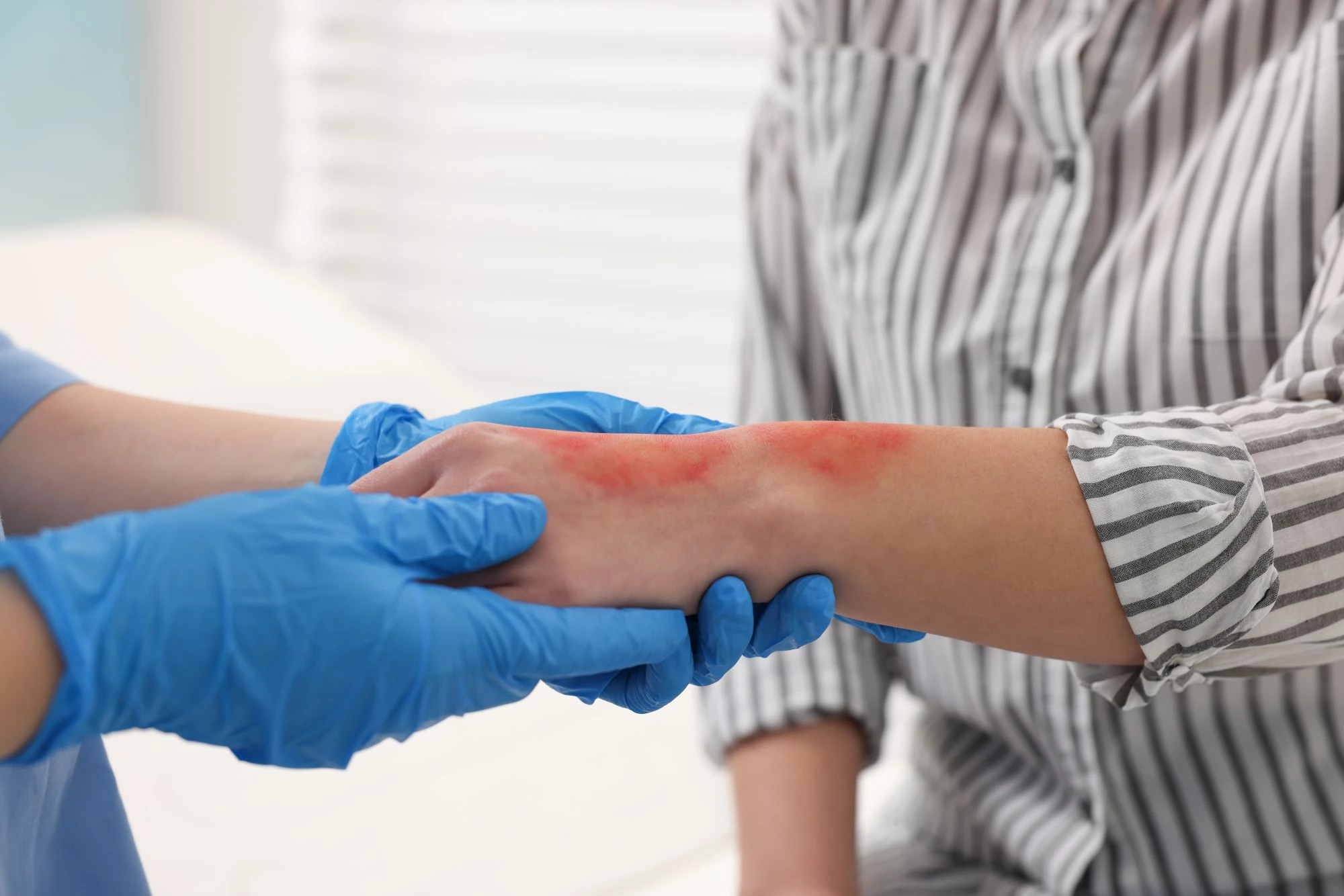
Burn injuries are classified by depth and severity into first-degree, second-degree, and third-degree burns. First-degree burns affect only the epidermis, causing redness and mild discomfort. Second-degree burns involve deeper layers of the skin, leading to blistering, swelling, and significant pain. Third-degree burns penetrate through all layers of the skin and may appear white, charred, leathery, or numb due to nerve destruction. In extreme cases, fourth-degree burns extend into muscle, tendons, or bone. Depending on severity, burns may require advanced medical care, surgical intervention, and long-term rehabilitation. Burn injuries also carry profound emotional and psychological burdens, making comprehensive care essential for recovery, function, and quality of life.
What Are the Causes
Burn injuries occur from a wide range of external sources, each producing distinct patterns of tissue damage. Thermal burns—caused by direct contact with flames, hot liquids, steam, or heated objects—represent the most common type. Scald injuries from boiling water or hot beverages are prevalent among children and older adults. Flame burns often occur in residential fires, workplace accidents, or outdoor environments. Contact with hot metal surfaces, appliances, or industrial tools can produce localized burns that vary in severity depending on the temperature and duration of contact.
Chemical burns arise from exposure to strong acids, alkalis, solvents, detergents, or industrial chemicals. These substances can rapidly penetrate tissues, causing severe, progressive damage unless neutralized immediately. Electrical burns result from contact with live wiring, electrical current, or lightning strikes, producing both external and internal injuries from the passage of electricity through the body. Radiation burns may occur from prolonged UV exposure, medical radiation therapy, or industrial sources. Friction burns develop from rapid contact with abrasive surfaces such as pavement, machinery, or sports equipment.
Underlying health conditions may also influence the severity and outcome of burn injuries. Poor circulation, diabetes, immune disorders, advanced age, and chronic illness can impair healing and increase the likelihood of infection or complications. Understanding the specific cause of a burn helps determine the appropriate treatment approach and predicts potential long-term outcomes.
Symptoms
Symptoms of a burn injury depend on the burn’s depth, location, cause, and severity. Mild burns may present with redness, tenderness, and localized swelling, while deeper burns cause blistering, fluid leakage, intense pain, or altered skin texture. Second-degree burns often produce moist, blistered, or bright red areas that are extremely sensitive to touch. Third-degree burns, however, may present with little to no pain because nerve endings have been destroyed, leaving the skin leathery, white, brown, or charred. Fourth-degree burns may expose muscle or bone and require immediate emergency intervention.
Additional symptoms may include difficulty moving the affected area, deep aching sensations, progressive swelling, and stiffness as the burn evolves. Systemic symptoms such as fever, chills, nausea, headaches, or weakness may signal an infection or a more serious inflammatory response. Burns on the face, neck, chest, hands, or lower limbs may significantly impair breathing, mobility, or daily function. Burns that encircle a limb or chest can restrict circulation or breathing due to tightening scar tissue.
Psychological symptoms such as distress, anxiety, fear, and emotional trauma frequently accompany burn injuries due to pain, appearance changes, and long-term recovery demands. Recognizing these feelings and seeking support can help patients cope better. Early recognition of symptoms and prompt medical attention significantly improve the likelihood of successful healing and reduce the risk of complications, providing reassurance and hope for those affected.
How Many People Are Affected
Burn injuries affect millions of individuals worldwide each year and represent one of the leading causes of accidental injury, disability, and medical emergencies. Globally, an estimated 11 million people require medical attention annually due to burn injuries, and nearly 180,000 deaths occur each year—most in low- and middle-income regions where emergency care and burn centers are less accessible. In the United States, approximately 486,000 burn injuries require medical treatment each year, with around 40,000 hospitalizations and 3,400 deaths annually. Children, older adults, and individuals with limited mobility are especially vulnerable to severe burn injuries and their complications.
Burn survivors often require prolonged care and ongoing treatment for scar management, mobility restoration, infection prevention, and psychological support. The financial impact of burn care is significant, with millions spent annually on surgery, hospitalization, wound management, rehabilitation, and long-term therapy. As populations age and industrial environments expand, burn injuries remain a global public health challenge requiring comprehensive prevention, rapid medical intervention, and access to advanced regenerative healing options.
Complications
Burn injuries can lead to serious short- and long-term complications that impact physical function, emotional well-being, and overall quality of life. Infection is among the most common and dangerous complications because damaged skin cannot effectively protect against bacteria. Infected burns may produce increased pain, odor, drainage, swelling, or fever, and severe cases can progress to sepsis, a life-threatening systemic infection. Deep burns may cause significant tissue loss, impair mobility, and require skin grafts or reconstructive surgery.
Scar formation is another common complication. Hypertrophic scars and keloids may develop due to excessive collagen production during healing, leading to raised, thickened, or discolored tissue. Contractures—where the skin tightens and restricts movement—may form around joints, significantly reducing flexibility, function, and mobility. Such complications often require physical therapy, splinting, or surgical correction. Burn injuries can also disrupt circulation, increase the risk of blood clots, and impair temperature regulation by damaging sweat glands and nerve endings.
Respiratory complications may arise when burns affect the face, neck, or airway, particularly in cases involving smoke inhalation. These injuries can lead to airway swelling, breathing difficulties, or long-term pulmonary damage. Psychological complications—including anxiety, depression, post-traumatic stress disorder, and emotional distress—are common due to pain, trauma, and changes in physical appearance.
These complications highlight the importance of early care, specialized wound management, and long-term rehabilitation to support healing and restore quality of life.
Diagnosis
Burn injuries can lead to serious short- and long-term complications that impact physical function, emotional well-being, and overall quality of life. Infection is among the most common and dangerous complications because damaged skin cannot effectively protect against bacteria. Infected burns may produce increased pain, odor, drainage, swelling, or fever, and severe cases can progress to sepsis, a life-threatening systemic infection. Deep burns may cause significant tissue loss, impair mobility, and require skin grafts or reconstructive surgery.
Scar formation is another common complication. Hypertrophic scars and keloids may develop due to excessive collagen production during healing, leading to raised, thickened, or discolored tissue. Contractures—where the skin tightens and restricts movement—may form around joints, significantly reducing flexibility, function, and mobility. Such complications often require physical therapy, splinting, or surgical correction. Burn injuries can also disrupt circulation, increase the risk of blood clots, and impair temperature regulation by damaging sweat glands and nerve endings.
Respiratory complications may arise when burns affect the face, neck, or airway, particularly in cases involving smoke inhalation. These injuries can lead to airway swelling, breathing difficulties, or long-term pulmonary damage. Psychological complications—including anxiety, depression, post-traumatic stress disorder, and emotional distress—are common due to pain, trauma, and changes in physical appearance.
These complications highlight the importance of early care, specialized wound management, and long-term rehabilitation to support healing and restore quality of life.
Treatment Options
Burn injuries can lead to serious short- and long-term complications that impact physical function, emotional well-being, and overall quality of life. Infection is among the most common and dangerous complications because damaged skin cannot effectively protect against bacteria. Infected burns may produce increased pain, odor, drainage, swelling, or fever, and severe cases can progress to sepsis, a life-threatening systemic infection. Deep burns may cause significant tissue loss, impair mobility, and require skin grafts or reconstructive surgery.
Scar formation is another common complication. Hypertrophic scars and keloids may develop due to excessive collagen production during healing, leading to raised, thickened, or discolored tissue. Contractures—where the skin tightens and restricts movement—may form around joints, significantly reducing flexibility, function, and mobility. Such complications often require physical therapy, splinting, or surgical correction. Burn injuries can also disrupt circulation, increase the risk of blood clots, and impair temperature regulation by damaging sweat glands and nerve endings.
Respiratory complications may arise when burns affect the face, neck, or airway, particularly in cases involving smoke inhalation. These injuries can lead to airway swelling, breathing difficulties, or long-term pulmonary damage. Psychological complications—including anxiety, depression, post-traumatic stress disorder, and emotional distress—are common due to pain, trauma, and changes in physical appearance.
These complications highlight the importance of early care, specialized wound management, and long-term rehabilitation to support healing and restore quality of life.